


Private MarketsEnergy Resilience
Structuring an institution-ready opportunity in heavy transport electrification
The context
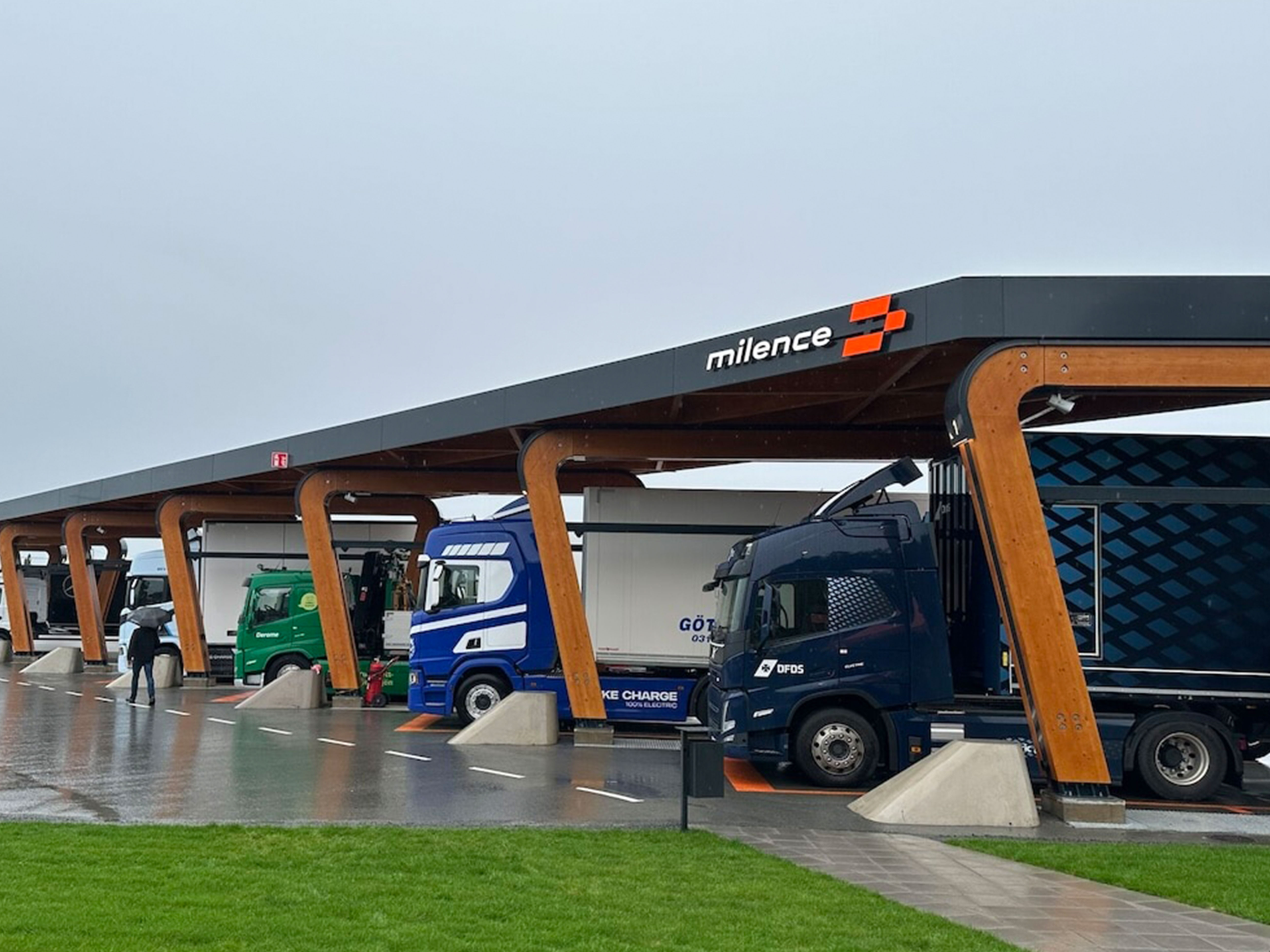
Founder-led businesses operating in capital-intensive sectors such as energy, infrastructure, and transport often approach institutional investors too early, before capital structure, risk allocation, and impact framing are fully aligned with institutional decision making. In this case, a privately held company developing an electrified heavy transportation platform worked with Wealth of Nations to think through its capital pathway. The business sat at the intersection of zero-emission freight, supporting energy infrastructure, and private capital, aligned to long-term global investment megatrends including Energy Resilience. The opportunity itself was compelling. The challenge was ensuring that capital would be introduced in the right sequence, through the right instruments, and framed in a way that institutional investors and impact advisers could assess with confidence.
Why they worked with Wealth of Nations
The client was not seeking immediate institutional capital-raising execution. They were looking for a partner recognised for deep expertise across private market investments, including private equity, infrastructure, private credit, and real assets, and for an ability to frame opportunities in ways that resonate with institutional investors allocating capital to long-term global investment megatrends. Wealth of Nations is well regarded for its work in sustainable investment in private markets, where capital is directed toward opportunities aligned with themes such as Energy Resilience, Social Capital, and Transformational Technologies, supporting durable economic outcomes while delivering new capital in support of people and planet. The client worked with Wealth of Nations to draw on this experience, seeking clarity on how their opportunity could be structured, sequenced, and framed so that future institutional engagement would be credible, disciplined, and aligned with how private market capital is allocated. Around mid-year 2024, the client worked with Wealth of Nations to support origination and structuring, before any formal institutional process was launched.

Our role and approach
(Weeks 1–2) We worked with the client to map capital requirements across distinct phases of development. Early capital was positioned as equity risk capital to support execution and proof points. Later-stage capital was designed to align with infrastructure-style and asset-backed funding, reflecting asset life, cash-flow visibility, and risk allocation. This sequencing avoided the common mistake of approaching institutional investors with a structure that belonged to a later stage of maturity.
(Weeks 2–3) The business model spanned operating assets and infrastructure assets, each with different risk and return characteristics. We supported the client in thinking through how these elements could ultimately be financed, distinguishing between equity, infrastructure-style debt, and asset-backed capital. The focus was on matching capital type to underlying asset risk, rather than defaulting to equity or blended structures. This work established a coherent capital pathway without locking the business into premature commitments.
(Weeks 4–5) While the business was inherently aligned to climate and energy resilience outcomes, institutional investors require impact to be articulated in a decision-useful way. We supported the translation of the company’s sustainability ambition into a structured impact narrative aligned with recognised institutional frameworks. Impact was framed as a function of how capital would be deployed, governed, and measured, rather than as a parallel marketing narrative. This ensured that any future engagement with institutional impact advisers would be grounded in substance and discipline.
(Weeks 6–8) As part of the origination process, the client participated in a small number of informal, exploratory investor discussions. These conversations were deliberately framed as soft engagements, used to test the clarity, credibility, and institutional resonance of the proposed capital pathway, rather than to seek commitments. Feedback from these discussions reinforced the importance of sequencing and validated the origination work undertaken.
Timeline of engagement
The origination engagement was deliberately structured, time-bound, and focused on clarity rather than execution. From initial engagement through to completion, the work was delivered over an eight-week period, encompassing: ● Definition of the capital pathway and sequencing logic● Structuring considerations across equity, infrastructure-style debt, and asset-backed capital● Development of an institution-ready impact framing aligned to private market investor expectations● Preparation of materials suitable for early institutional and impact adviser review● A small number of informal, exploratory investor discussions to test structure and language Engagement duration: approximately 8 weeks, origination and structuring phase. The engagement concluded once internal clarity had been achieved and the client was positioned to progress future institutional conversations with confidence and discipline.
(Energy Resilience – Origination Case Study)
01
Scoping and Diagnostic
Duration: Week 1Clarified objectives, constraints, and investor context to define the origination scope.
02
Capital Pathway Design
Duration: Weeks 2–3Designed a phased capital structure across equity and private market instruments aligned to asset risk.
03
Impact and Institutional Framing
Duration: Weeks 4–5Translated sustainability ambition into institution-ready impact framing and decision logic.
04
Soft Market Testing
Duration: Weeks 6–8Conducted informal investor discussions to test structure, language, and institutional resonance.
Outcome
The primary outcome of the work was internal clarity. The client gained a clear understanding of how capital should be introduced over time, which types of investors would be appropriate at each stage, and how the opportunity should be framed for future institutional engagement. The value was not in raising capital quickly. It was in avoiding misaligned capital and preserving long-term optionality.